
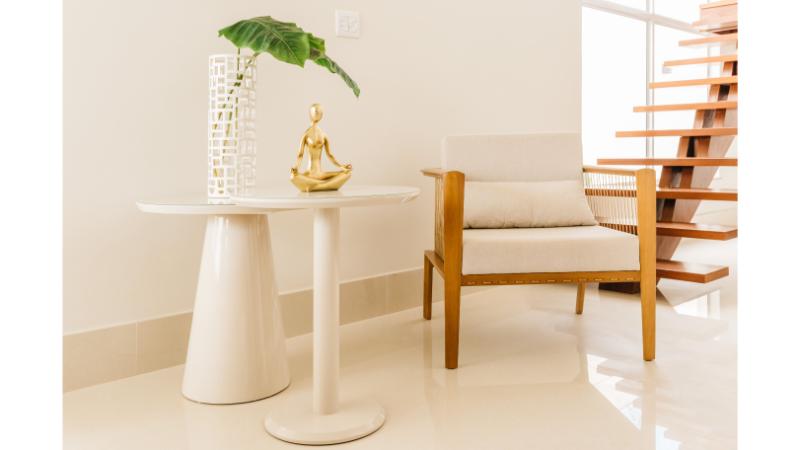
Creating a beautiful home is not always about making major changes. The right styling pieces can refresh a space, add personality, and make everyday rooms feel more comfortable and thoughtfully designed.
From decorative accessories and statement lighting to soft furnishings and practical accents, home styling pieces can bring balance and character to an interior. Whether your home has a modern, classic, minimalist, or eclectic aesthetic, carefully selected details can make each room feel more polished without requiring a complete redesign.
Small details make a big impression.
Understanding the Role of Home Styling Pieces
Home styling pieces are the finishing elements that help bring an interior together. While furniture establishes the basic structure of a room, accessories create warmth, texture, personality, and visual interest.
These pieces can include decorative cushions, throws, rugs, mirrors, artwork, vases, baskets, lamps, candles, and carefully selected ornaments. They can also include functional accessories that combine practical value with attractive design.
The goal is not to fill every empty space. Instead, effective styling focuses on choosing pieces that complement the room and contribute to a cohesive atmosphere.
Creating a Stylish Living Room
The living room is often the main social area of a home, making it an ideal place to introduce decorative styling pieces. Soft furnishings can immediately change the atmosphere without requiring new furniture.
A textured throw placed over a sofa can create warmth, while cushions in complementary patterns can introduce subtle color. A stylish rug can define the seating area and provide visual connection between different pieces of furniture.
Decorative baskets can also provide practical storage for blankets, magazines, or everyday accessories while keeping the room organized.
Comfort should remain at the center of the design.
Combining useful pieces with decorative elements creates a living room that feels both inviting and sophisticated.
Adding Character to the Bedroom
A bedroom should feel calm, comfortable, and personal. Styling pieces can help create this atmosphere without making the space feel overly decorated.
Soft bedding, layered throws, decorative pillows, bedside lamps, and subtle artwork can introduce warmth and personality. Mirrors can also make a bedroom appear brighter and more spacious by reflecting natural or artificial light.
Choosing a consistent color palette helps different accessories work together. Neutral shades can create a peaceful environment, while carefully selected accent colors can add character without overwhelming the room.
A relaxing bedroom starts with thoughtful details.
Enhancing the Dining Area
Dining spaces often benefit from simple styling rather than excessive decoration. A centerpiece, attractive table runner, decorative serving pieces, or carefully selected lighting can make the area feel more refined.
A vase filled with seasonal flowers can provide a natural focal point, while elegant tableware can add sophistication during special occasions. For everyday use, simple accessories can maintain a polished appearance without making the table difficult to use.
Lighting also plays an important role in dining areas. Pendant lights or carefully positioned fixtures can create a welcoming atmosphere while providing practical illumination.
Making the Entryway More Welcoming
The entryway creates the first impression of a home. Even a small entrance can become more attractive with a few carefully selected styling pieces.
A mirror can add depth and provide a practical place for a final appearance check before leaving the house. A narrow console table can provide space for decorative objects, while baskets can keep keys, accessories, or other small belongings organized.
A stylish entryway sets the tone.
Keeping the area organized is just as important as choosing attractive accessories. A clutter-free entrance feels more welcoming and creates a stronger transition into the rest of the home.
Using Lighting as a Styling Element
Lighting is both functional and decorative, making it one of the most valuable home styling elements. Floor lamps, table lamps, pendant lights, and wall fixtures can influence the mood of an entire room.
A sculptural floor lamp can become a statement feature, while a small table lamp can create a softer atmosphere on a side table or console. Warm lighting is particularly useful for creating a relaxed evening environment.
Good lighting adds depth.
Instead of relying on a single overhead fixture, consider using several light sources at different heights to create a layered and comfortable atmosphere.
Adding Texture Through Soft Furnishings
Texture is an important part of successful interior styling because it prevents rooms from feeling flat or overly uniform. Soft furnishings provide an easy way to introduce different textures without making permanent changes.
Woven blankets, textured cushions, fabric curtains, rugs, and upholstered accessories can add warmth and dimension. Natural materials such as wood, cotton, linen, and woven fibers can also create a more relaxed and welcoming aesthetic.
Texture creates visual depth.
Combining several materials within a coordinated color palette can make a room feel sophisticated without requiring bold patterns or dramatic colors.
Bringing Nature Indoors
Natural elements can make interiors feel fresh and inviting. Houseplants, dried flowers, decorative branches, and natural-material accessories can introduce organic texture and soften modern spaces.
Plants can be placed on shelves, side tables, windowsills, or larger floor planters depending on the available space. Even a small amount of greenery can add visual interest and create a stronger connection with nature.
Natural styling works across many interior styles.
Choose plants and materials that suit the amount of natural light and maintenance you can comfortably provide.
Choosing Decorative Pieces with Purpose
Decorating every surface is not necessary to create a stylish home. In fact, carefully selected pieces often have a stronger impact than large collections of unrelated accessories.
When choosing home styling pieces, consider their size, color, texture, and relationship to surrounding furniture. A large statement mirror may work better than several small decorations in one area, while a simple vase may provide enough visual interest on a dining table.
Every piece should have a reason for being there.
This approach creates interiors that feel intentional rather than crowded.
Keeping Different Rooms Connected
Each room can have its own personality while still feeling like part of the same home. Repeating certain colors, materials, or textures throughout different spaces can create visual continuity.
For example, natural wood accents might appear in the living room, bedroom, and dining area, while similar neutral tones can connect soft furnishings throughout the home. This does not mean every room needs to look identical.
Consistency creates harmony.
The best interiors balance variety with enough common elements to make the entire home feel connected.
Refreshing Your Home Without a Major Redesign
One of the greatest benefits of home styling pieces is their flexibility. You can update the appearance of a room by changing cushions, throws, artwork, lighting, or decorative accessories rather than replacing large furniture items.
Seasonal changes can also provide an opportunity to refresh your surroundings. Lighter fabrics and natural tones may work well during warmer months, while deeper textures and cozy accessories can create a comfortable atmosphere during cooler seasons.
Simple updates can transform familiar spaces.
By changing smaller elements over time, you can keep your home feeling fresh while avoiding unnecessary expense.
Conclusion
Stylish home styling pieces provide an easy and effective way to elevate every room. From soft furnishings and decorative accessories to lighting, mirrors, storage baskets, and natural elements, the right details can add comfort, personality, and sophistication to your interior.