
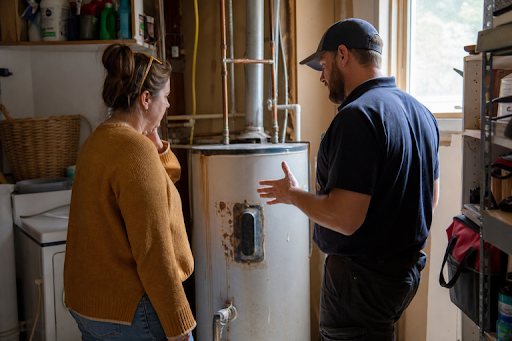
Choosing a new water heater is about more than replacing an old appliance. The right unit can improve daily comfort, reduce operating costs, fit your home’s existing utilities, and provide enough hot water during the busiest parts of the day. When a unit begins leaking, making unusual sounds, or delivering inconsistent temperatures, a qualified water heater service company in Ogden, Utah can help assess whether repair or replacement makes the most sense.
A low-cost model is not always the best value, and the largest system is not automatically the best performer. A properly matched water heater should meet your household’s needs without wasting energy, taking up unnecessary space, or requiring upgrades that were never included in the budget.
Why the Choice Matters
Water heating affects showers, laundry, dishwashing, cleaning, and monthly utility bills. An undersized unit may leave the last person in line with lukewarm water. An oversized unit can cost more to buy and operate than necessary. The goal is to choose a system that fits real habits, not simply the size of the old unit.
Check the Current System First
Before shopping, gather details about the existing heater and the space around it. This information makes contractor estimates more accurate and helps prevent surprises during installation.
- Record the model number, age, capacity, and fuel type.
- Measure the utility room, closet, garage area, or wall location.
- Check for rust, leaks, popping sounds, or slow recovery.
- Identify available electrical capacity, gas piping, venting, and drainage.
- Review recent energy bills for unusual increases.
Compare the Main Water Heater Types
Storage Tank Water Heaters
Traditional tank heaters store a supply of hot water for immediate use. They are familiar, widely available, and often have a lower upfront cost. However, they can lose heat while standing by, and a household may need to wait for recovery after using most of the stored hot water.
Tankless Water Heaters
Tankless systems heat water as it flows through the unit. They save floor space and can provide hot water continuously, but only within their flow capacity. Simultaneous showers, appliances, and faucets can exceed that capacity. Gas units may also require larger gas lines or new venting, while electric models can require substantial electrical service.
Heat Pump Water Heaters
Heat pump models move heat from the surrounding air into the tank, rather than relying solely on electric resistance elements. They can be an efficient choice for suitable locations, but need adequate air space, drainage, and attention to sound and room temperature. ENERGY STAR offers useful heat pump water heater buying guidance for homeowners considering this option.
Solar Water Heaters
Solar water heating can work well where roof exposure and sunlight are favorable. These systems are more complex and commonly use a backup heater for cloudy weather or periods of heavier demand. They are worth considering when long-term energy goals justify the higher planning and installation effort.
Estimate Household Hot Water Demand
Household size matters, but timing matters more. A family of four that showers at different times may need less capacity than two people who shower back-to-back while running laundry and the dishwasher.
- First-hour rating: The amount of hot water a storage tank can provide during a busy hour.
- Gallons per minute: The flow capacity of a tankless system at a given temperature rise.
- Recovery rate: How quickly a tank reheats water after hot water is used.
Consider the busiest hour of a normal day. Count showers, baths, laundry loads, dishwasher cycles, and fixture use. Also account for soaking tubs, large showerheads, frequent guests, or planned additions to the household.
Review Efficiency Ratings
Compare efficiency within the same product category, not across every type of heater. The Uniform Energy Factor, or UEF, helps show overall energy performance, while the yellow EnergyGuide label estimates annual energy use and cost. The U.S. Department of Energy explains how water-heater efficiency is measured and why efficient equipment can reduce household energy use.
Check available utility rebates and confirmed incentives before buying. Savings can improve the value of a higher-efficiency model, but only if the unit is appropriate for the home and installed correctly.
Check Installation Requirements
A replacement is not always a direct swap. Changing fuel type or technology may require a new circuit, panel upgrade, larger gas line, condensate drain, vent route, drain pan, or revised water connections. Access also matters. Confirm that the unit can fit through doors, around stairs, and into its final location. Local permits, inspections, manufacturer clearances, and safety requirements should be included in the installation plan.
Compare Full Ownership Costs
Look beyond the equipment price. A fair comparison includes installation labor, permits, utility upgrades, estimated annual energy use, routine maintenance, repairs, and expected service life. A basic tank heater may fit a short-term ownership plan, while a higher-efficiency system may be more attractive for homeowners planning to stay for many years.
Plan for Maintenance and Safety
Every water heater benefits from regular attention. Check for moisture, corrosion, unusual sounds, or temperature changes. Keep vents and air openings clear, follow the manufacturer’s maintenance schedule, and arrange descaling for tankless units where mineral buildup is common. A qualified professional should inspect gas, electrical, venting, and safety components when needed. Set the water temperature carefully to balance comfort, energy use, and scald prevention.
Use a Simple Decision Checklist
- Identify the available fuel source and utility capacity.
- List the busiest hot-water activities in the home.
- Choose a technology that fits the space and installation conditions.
- Compare first-hour rating or gallons-per-minute capacity.
- Review UEF, EnergyGuide estimates, rebates, and total installed pricing.
- Plan maintenance requirements before the new unit is installed.
Final Thoughts
There is no single water heater that works best for every home. The right choice combines demand, fuel access, space, installation requirements, budget, and long-term plans. Taking time to compare these factors before an emergency replacement can help prevent cold showers, wasted energy, and costly last-minute decisions.