
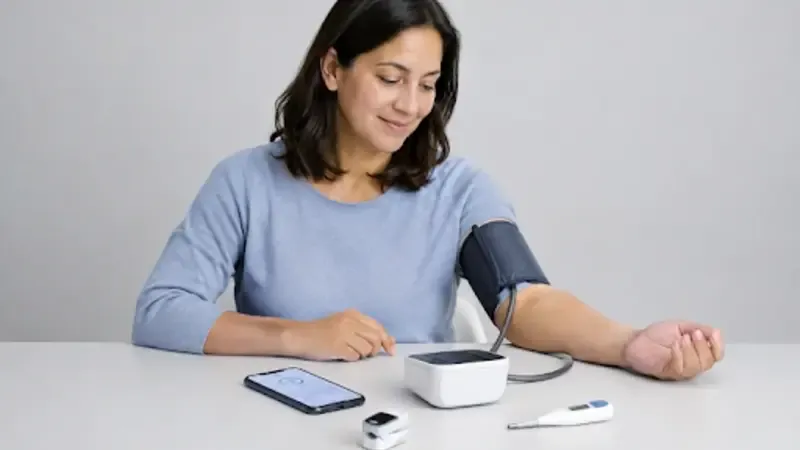
Chronic conditions do not pause between appointments. A blood pressure trend, a change in glucose, new shortness of breath, or gradual weight gain can develop long before the next scheduled visit. When it is built around clear clinical follow-up, remote patient monitoring can give patients and care teams a more complete view of day-to-day health.
Why Chronic Care Needs More Frequent Feedback
Office visits remain important, but they offer a limited snapshot. A reading taken in the clinic may not reflect what happens at home during normal routines, after a medication change, or while a patient is recovering from an illness. Regular home readings can provide context that supports a more informed conversation at the next touchpoint. For example, one elevated blood pressure reading may result from stress, poor sleep, or an incorrect cuff position. A series of readings, especially when considered alongside symptoms and medication use, can help a clinician decide whether follow-up is appropriate. The purpose is not to react to every number, but to identify meaningful changes.
What Remote Patient Monitoring Means Today
Remote patient monitoring is a care approach in which a patient uses connected equipment at home to share selected health information with a clinical team. Depending on the care plan, that information may include blood pressure, weight, blood glucose, oxygen saturation, heart rate, or symptom updates. The basic components of remote patient monitoring include collecting physiologic data and making it available for clinical review. Strong programs place technology within a broader system of remote care management, which includes patient communication, documentation, triage, and coordination with the rest of the care team. Collecting information is only the first step. The value comes from having the right person review trends and respond according to an agreed plan.
Conditions That May Benefit From Ongoing Monitoring
Suitability depends on each person’s diagnosis, goals, preferences, ability to use the equipment, and clinician guidance. Monitoring can be useful in several common chronic-care situations:
Diabetes: Reviewing glucose patterns may support discussions about meals, medications, activity, and possible concerns.
High blood pressure: Home readings can show how blood pressure changes across days, times, and settings.
Heart failure: Weight changes, symptoms, and activity updates may help the team recognize when a patient needs contact.
COPD: Symptom reporting and oxygen readings can support follow-up when breathing concerns change.
Post-discharge care: Short-term monitoring may help reinforce instructions and identify questions after a hospital stay or procedure.
How the Care Process Usually Works
Set a clinical goal. The team identifies the condition, the information that matters, and what the program is meant to support.
Match the patient and equipment. Device choice should fit the patient’s needs, capabilities, and home environment.
Teach correct use. Patients and caregivers need simple instructions for accurate readings, charging equipment, and reporting problems.
Review trends. Assigned staff evaluate the information in context rather than treating every isolated reading as an emergency.
Respond and adjust. Follow-up may include a call, a medication review, an office visit, or other actions identified in the care plan.
Why Trends Matter More Than Single Readings
Measurements are most useful when they are interpreted with the patient’s overall situation in mind. Symptoms, missed medications, diet, activity, recent illness, and device technique can all affect readings. Clinical teams should establish individualized thresholds and escalation instructions, rather than expecting patients to interpret complex data on their own.
The Human Side of Connected Care
Connected care works best when patients understand why they are being monitored and what will happen to the information. Short check-ins, plain-language guidance, and communication methods that match a patient’s preferences can make participation feel manageable. Too many alerts or unclear instructions, on the other hand, can create anxiety and unnecessary workload. Consider a patient who is initially unsure how to use a blood pressure cuff. After a nurse demonstrates correct positioning, asks the patient to repeat the process, and explains when to call for help, the patient may feel more confident participating in daily care. That confidence is as important as the device itself.
Safety, Privacy, and Access Concerns
Remote care needs clear safeguards. Patient-safety considerations for telehealth include patient education, coordinated care, feedback, and ongoing evaluation. Programs should also explain how personal health information is handled, who reviews incoming data, and what response times patients can reasonably expect.
Use appropriate, maintained equipment and confirm that patients know how to use it.
Plan for internet limitations, language needs, disabilities, and varying digital skills.
Define responsibility for alerts, including handoffs between primary care, specialists, and caregivers.
Make clear that severe or urgent symptoms require emergency services, not waiting for a monitoring response.
Building a Practical Workflow
Healthcare teams can avoid many common challenges by starting with a focused workflow. Choose one clinical goal, define which readings are needed and how often, assign staff responsibility for review, document actions in the patient record, and revisit the process when patients or staff identify obstacles. Measuring reading completion, response time, care plan changes, patient confidence, unresolved alerts, and condition-specific outcomes can indicate where the program needs improvement.
Questions Worth Asking
For Patients and Caregivers
What information will I send, who will review it, and when will I hear from the team?
What should I do if a reading seems unusual or the device stops working?
Does monitoring supplement regular visits, and how will my information be protected?
For Healthcare Leaders
Which patients are most likely to benefit from this workflow?
Can current staffing, clinical records, and after-hours processes support it?
How will the organization ensure access for people with limited technology or connectivity?
What the Next Phase May Look Like
The next phase of remote monitoring should focus less on collecting more data and more on making data actionable. Better trend review, thoughtful coordination, and simpler patient experiences can help teams concentrate attention where it is needed. New technology cannot solve unclear responsibilities or limited patient support. The most useful programs will be judged by whether they help patients receive timely, personal, and clinically appropriate care.
Conclusion
Remote patient monitoring can strengthen chronic care when reliable information, patient education, clinical judgment, and responsive follow-up work together. Its purpose is not to watch more numbers. It is to help patients and care teams recognize meaningful changes, communicate clearly, and make care feel safer and more connected between visits. When used appropriately, monitoring tools can provide care teams with information about trends that may be difficult to capture during occasional office visits. At the same time, patients can gain a better understanding of how daily habits and symptoms relate to their health. Clear instructions are important so that patients know how to use devices, record information, and understand when to contact their care team. Providers also need practical processes for reviewing incoming data and responding to significant changes. When technology is combined with appropriate clinical oversight and patient support, remote monitoring can become a useful part of ongoing chronic-care management rather than simply another source of health data.