
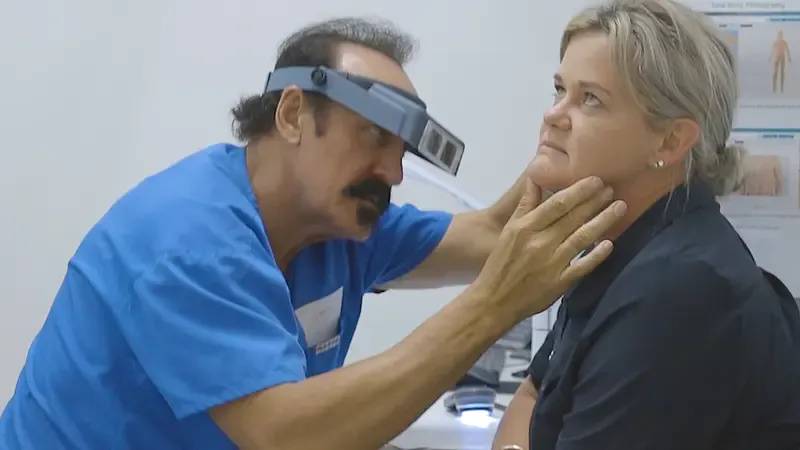
Not long ago, booking an appointment to have your skin examined felt like something you only did when a mole started behaving strangely. Today it sits comfortably on the same to-do list as a dental clean or an eye test. For many Australians, arranging a skin check Brisbane residents can rely on has become a routine act of self-maintenance rather than a reaction to fear. That quiet shift — from “only when something looks wrong” to “part of staying well” — says a lot about how our relationship with our own bodies has changed.
From Crisis Response to Steady Habit
The old model was reactive. People waited for a spot to itch, bleed, or grow before they thought about a doctor. The new model is preventive, and it mirrors a broader cultural move toward getting ahead of problems instead of chasing them.
Part of this is simply better information. We now understand that early detection dramatically improves outcomes for most skin cancers, and that the difference between “caught early” and “caught late” can come down to a single appointment. When the stakes are that clear, waiting feels careless rather than brave.
Sun, Skin, and a Nation Paying Attention
Living under some of the harshest ultraviolet conditions on the planet has forced a particular kind of awareness. Decades of public health messaging — the hats, the sunscreen, the shade — planted the idea that skin is something you actively protect, not something you take for granted.
Those campaigns did more than change beach behaviour. They reframed skin as an organ worth monitoring, which made professional checks feel like a logical extension of habits people already had.
Why the Message Finally Stuck
Repetition helped, but so did visibility. When friends, colleagues, and public figures openly talk about a spot that was removed or a lesion that turned out to be nothing, the whole experience loses its taboo. Each casual mention chips away at the awkwardness and makes the next person more likely to book.
The Comfort of Normalised Care
There is real psychological relief in treating a check as ordinary. When something is routine, it carries far less dread. You are not bracing for bad news; you are ticking a box, the same way you would with a service on your car.
This matters because avoidance is often driven by anxiety, not indifference. People skip appointments because they are scared of what they might hear. Strip away the drama, wrap the visit in normalcy, and the barrier shrinks.
Technology Made the Door Easier to Open
Modern dermatoscopy and imaging have quietly upgraded the experience. Practitioners can map, photograph, and compare skin over time, which turns a single snapshot into an ongoing record. That continuity encourages people to return, because their previous visit actually informs the next one.
Booking has become simpler too. Online scheduling, clearer pricing, and dedicated clinics have removed much of the friction that once made “I’ll do it later” the default answer.
What This Says About Self-Care Today
The bigger story is philosophical. Looking after yourself has expanded well beyond the gym and the salad bowl. It now includes maintenance you cannot see the results of — sleep, mental health, screenings, and yes, skin.
We have started to accept that caring for the body means attending to the parts that rarely complain until it is late. A mole does not announce itself the way a sore tooth does, which is precisely why deliberate attention matters.
Small Actions, Long Horizons
None of this requires heroics. It asks only that people treat prevention as unremarkable — something you simply do, without needing a scare to justify it.
A Quiet Cultural Win
The normalisation of skin checks is one of those changes that happened gradually enough to feel invisible. Yet the outcome is significant: fewer people frightened into inaction, more people catching problems early, and a healthier attitude toward looking after the skin they live in every single day.