
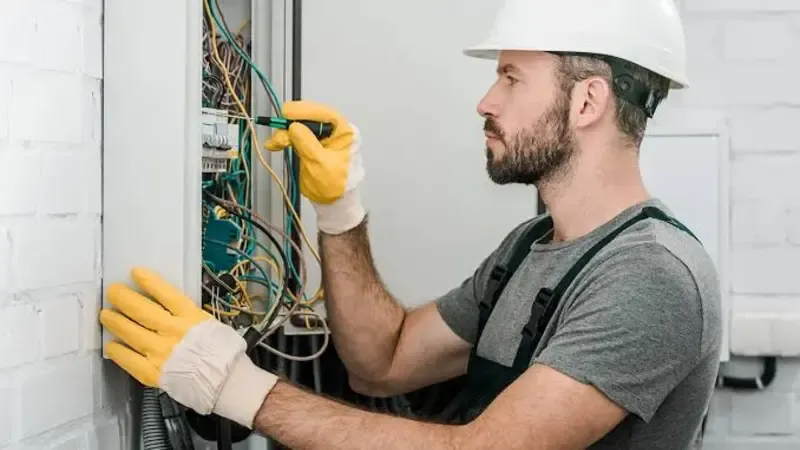
Electrical problems rarely happen at a convenient time. A sudden power failure, burning smell, sparking outlet, exposed wiring, or repeated circuit trips can quickly become a serious safety concern. In situations like these, contacting an Emergency Electrician Clontarf can be the safest way to identify the problem and restore electrical service without unnecessary delays. But what actually happens after you make that emergency call? Understanding the process can help you stay calm and know what to expect.
The First Step: Explaining the Electrical Emergency
The process normally begins with a phone call or online enquiry. The electrician will ask questions about what has happened and may need specific details to determine how urgent the situation is.
You might be asked whether the entire property has lost power, whether only one room is affected, or whether you have noticed smoke, sparks, unusual sounds, or a burning odour.
Providing accurate information is important. If there is visible smoke, exposed live wiring, or an immediate risk of fire, you should mention it straight away. In some circumstances, you may also be advised to switch off the main power supply if it is safe to do so.
Why These Initial Questions Matter
Emergency electricians often need to assess the potential risk before arriving. A minor circuit issue and a potentially dangerous electrical fault require very different responses.
Clear information helps the electrician bring appropriate equipment and understand what they may be dealing with before reaching your property.
Receiving an Emergency Response
Once the situation has been assessed, the electrician will arrange a visit as quickly as practical. Emergency electrical services are designed around urgent faults rather than routine jobs that can wait for a scheduled appointment.
Depending on the problem, the electrician may arrive with testing equipment, replacement components, protective equipment, and common electrical parts. This can make it possible to diagnose and resolve certain faults during the initial visit.
Response times can vary based on location, traffic, availability, weather conditions, and the severity of other emergencies being handled at the time.
The On-Site Safety Assessment
When the electrician arrives, safety becomes the immediate priority. Before attempting repairs, they will inspect the affected area and look for signs of electrical danger.
This can include checking outlets, switches, consumer units, circuit breakers, wiring, appliances, and other electrical components connected to the affected circuit.
The electrician may also determine whether the fault appears to be isolated to one part of the property or connected to a larger electrical issue.
Identifying Immediate Hazards
Electrical emergencies can involve several risks, including electric shock, overheating, arcing, damaged insulation, and electrical fires.
If there is a serious hazard, the electrician may isolate the affected circuit or shut down the electrical supply until the dangerous component can be repaired or replaced.
This step may temporarily leave part of the property without electricity, but preventing further damage is generally more important than restoring power immediately.
Testing and Diagnosing the Fault
After making the area safe, the electrician will begin investigating the underlying problem.
Professional testing equipment can help identify issues that are not obvious from a visual inspection. For example, a circuit that keeps tripping could be caused by a faulty appliance, damaged cable, overloaded circuit, or another electrical defect.
Rather than simply resetting a breaker and leaving, a qualified electrician should investigate why the protective device operated in the first place.
Common Problems Found During Emergency Calls
Emergency electricians may be called to deal with problems such as:
- Sudden loss of power
- Repeatedly tripping circuit breakers
- Faulty sockets or switches
- Sparking electrical outlets
- Damaged or exposed wiring
- Burning smells from electrical equipment
- Power faults affecting individual rooms
- Lighting failures
- Electrical damage following water exposure
- Problems with consumer units or protective devices
The exact diagnosis will depend on the property’s electrical system and the symptoms reported.
Explaining the Repair Options
Once the fault has been identified, the electrician should explain what needs to be done.
Some emergencies can be resolved relatively quickly. For example, a damaged switch or faulty component may simply need to be replaced. More complicated problems could require sections of wiring to be repaired, circuits to be isolated, or additional electrical work.
A professional explanation should make it clear what caused the issue, what repair is recommended, and whether further work is necessary.
Carrying Out the Emergency Repair
After the repair approach is agreed upon, the electrician can begin the necessary work.
Depending on the fault, this might involve replacing damaged components, repairing wiring, securing connections, replacing a faulty protective device, or correcting an unsafe installation.
The goal is not simply to restore electricity as quickly as possible. The repair should also address the underlying safety issue so that the same problem is less likely to occur again.
Testing Everything Before Leaving
A crucial part of emergency electrical work happens after the repair itself.
The electrician should test the affected circuit or equipment to make sure it is operating correctly and safely. Protective devices may be checked, circuits may be tested, and repaired components inspected.
This final testing helps confirm that the immediate fault has been resolved rather than simply hidden by restoring the power.
What Happens If the Problem Needs More Work?
Not every electrical emergency can be completely resolved during a single visit.
For example, an electrician may discover outdated wiring, extensive cable damage, an overloaded electrical system, or another issue that requires additional work. In such cases, the immediate priority may be to make the property safe and restore essential electrical services where possible.
The electrician can then explain what further work is recommended and why it matters.
Emergency Repair vs. Permanent Solution
There is an important distinction between making an electrical system safe temporarily and completing a permanent repair.
An emergency response may involve isolating a dangerous circuit so the rest of the property can continue operating. A follow-up appointment may then be required to replace damaged wiring or upgrade an unsuitable installation.
Understanding this difference can prevent confusion about why additional work may be recommended after the initial emergency has been controlled.
What You Should Do While Waiting
While waiting for an emergency electrician, avoid attempting electrical repairs yourself. Do not touch exposed wires, damaged outlets, or electrical equipment that appears unsafe.
If there is smoke, fire, or an immediate danger to people, leave the affected area and contact the appropriate emergency services. If it is safe to do so, providing the electrician with clear information about what happened can make the eventual diagnosis more efficient.
The Main Takeaway
Calling an emergency electrician involves much more than someone arriving and switching the power back on. The process generally includes assessing the emergency, identifying immediate hazards, diagnosing the electrical fault, explaining the repair options, carrying out the necessary work, and testing the system before leaving.
Knowing what to expect can make a stressful electrical emergency easier to manage. Most importantly, professional electrical assistance should focus on safety first, accurate diagnosis second, and reliable restoration of power third. When an electrical problem cannot safely wait for a routine appointment, getting qualified help promptly can prevent a small fault from becoming a much more serious problem.